The Illusion of Luck: Understanding Its Role in Gambling
Luck holds a prominent place in the world of gambling, often perceived as the cornerstone of winning strategies. Many players believe that luck is a tangible force that can be harnessed, leading to big wins, especially when they use methods like online casino $10 neosurf to enhance their experience. However, this perception can be misleading as it oversimplifies the complex elements at play. In reality, factors such as skill, strategy, and the inherent odds of the game play significant roles in determining outcomes.
While luck might seem like a magical quality that can influence the success of a gambler, it is essential to recognize the randomness that characterizes most gambling activities. For instance, in games like roulette or slots, the outcomes are primarily determined by chance. Each spin or roll is independent of the last, and while players may experience streaks of good or bad luck, these are often just that—streaks, not indicative of a consistent ability to control outcomes.
Understanding luck’s place in gambling also prompts a closer look at the psychological aspects involved. Many individuals fall into the trap of ‘lucky charms’ or rituals, believing that certain behaviors or items can influence their fate. This belief taps into cognitive biases and superstitions, which can further complicate a player’s approach to gambling. Recognizing the limits of luck can lead to healthier gambling habits and more informed decision-making.
Superstitions and Their Impact on Gambling Behavior
Superstitions are a prevalent part of gambling culture, often stemming from the desire to exert some form of control over inherently random outcomes. For many players, rituals or lucky symbols provide comfort and a sense of agency in a game where the odds are against them. The act of rolling dice in a particular way or wearing a ‘lucky’ shirt is not merely a quirk; it represents a psychological strategy aimed at enhancing confidence.
However, these superstitions can have mixed effects. On the one hand, they may bolster a player’s confidence and encourage them to engage more fully with the game. On the other hand, they can lead to irrational decision-making. For example, a player might stick with a losing strategy, believing that luck will eventually turn in their favor, rather than adjusting their approach based on the odds and statistical realities of the game.

Moreover, the impact of superstitions often goes beyond individual players. Entire communities within gambling environments may share specific beliefs or practices, creating a shared culture that perpetuates these myths. This collective mindset can influence betting patterns, strategies, and even the development of new games that cater to these superstitious tendencies, further entrenching the role of luck in gambling discussions.
The Role of Skill and Strategy in Gambling
While luck is often celebrated in the gambling realm, skill and strategy are equally important components that can significantly influence outcomes. Unlike games of pure chance, such as slot machines, games like poker or blackjack require players to apply cognitive skills, strategy, and psychological insight. This brings a layer of sophistication that transcends mere luck and highlights the importance of informed decision-making.
In poker, for instance, a player’s ability to read their opponents, calculate odds, and manage their bankroll can ultimately lead to success over time. Skilled players consistently outperform novices, indicating that understanding the game’s mechanics and employing effective strategies are far more advantageous than relying on luck alone. Even in games primarily based on chance, such as roulette, players can make strategic choices that minimize losses and improve their overall experience.
Recognizing the interplay between skill and luck can also empower gamblers to approach their activities with a healthier mindset. By focusing on improving skills and strategies, players can mitigate feelings of helplessness often associated with pure luck-based games. This shift toward skillfulness not only enhances the enjoyment of the game but also fosters a more responsible attitude toward gambling and overall betting behavior.
The House Edge: Understanding the Business of Gambling
Every gambling game has a house edge, which is the built-in advantage that ensures the casino or operator remains profitable in the long run. Understanding this concept is crucial for players seeking to navigate the world of gambling without falling prey to the allure of luck. The house edge varies across different games and can significantly influence players’ experiences, strategies, and outcomes.
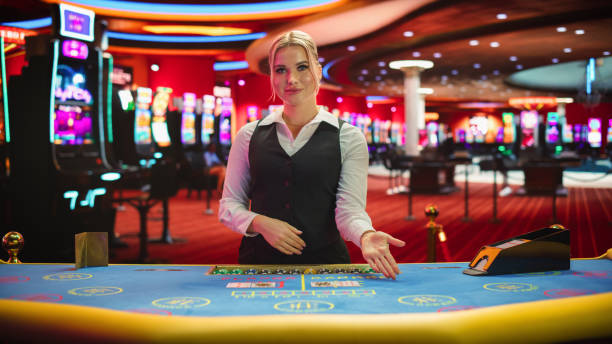
For example, games like blackjack and poker may offer lower house edges compared to games like roulette or slots. This means that with better strategies and skills, players can reduce the casino’s advantage. However, even in games with lower house edges, luck still plays a role—no player can consistently beat the house in the long term without understanding the odds and employing effective strategies.
Players must recognize that the allure of luck can often cloud their judgment, leading to poor betting decisions. Understanding the house edge serves as a reminder that gambling is primarily a business, designed to favor the house over time. By educating themselves about how odds and house edges work, players can approach gambling more rationally, making informed choices that can enhance their gambling experience without solely relying on luck.
Conclusion: Embracing a Balanced Perspective on Gambling
In conclusion, the myths surrounding luck in gambling can often overshadow the critical roles of skill, strategy, and understanding the game mechanics. While luck undoubtedly plays a part in the outcomes of many games, it is essential to adopt a balanced perspective that appreciates the interplay between chance and skill. This approach can lead to healthier gambling habits and enhance the overall experience for players.
By recognizing the limitations of luck and embracing the importance of informed decision-making, individuals can cultivate a more responsible attitude toward their gambling activities. The key lies in understanding that luck is just one aspect of a multi-faceted endeavor, and developing skills and strategies can lead to greater enjoyment and potentially more favorable outcomes.
For those seeking further insights and a deeper understanding of the gambling landscape, exploring dedicated resources can be beneficial. Engaging with well-researched articles, interactive discussions, and expert opinions can help demystify the complexities of gambling, empowering players to make informed choices and enjoy their experiences responsibly.